
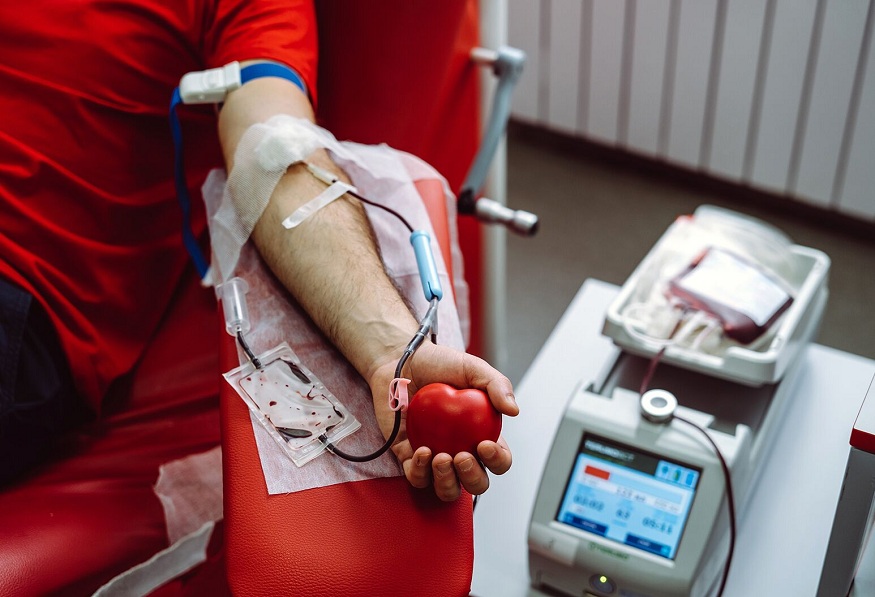
Plasma donation plays a crucial role in various medical treatments, aiding patients suffering from conditions like hemophilia and severe injuries. This resource is essential for saving and enhancing lives, as many individuals rely on therapies derived from plasma.
With an increasing demand for treatments that utilize plasma, the need for donations has become urgent. Patients, particularly those with immunodeficiency disorders, are dependent on regular plasma infusions to maintain their health.
Remarkably, each plasma donation has the potential to save up to three lives. This statistic underlines the significant impact that donations have on healthcare and emphasizes the strength of community support.
Those interested in donating plasma should first research nearby donation centers. Scheduling health screenings is important too, as it helps determine eligibility.
In New Jersey, many plasma donation centers offer compensation, which can come in the form of cash or gift cards. This incentive encourages people to contribute while also benefiting themselves.
Read More: Experience The Benefits Of Plasma Donation: The Insider’s Guide
Ensuring the safety of donors and recipients is paramount, with health screenings and safety protocols including checks such as blood pressure readings and assessments of hemoglobin levels.
Engaging the community in plasma donation brings people together, fostering connections among donors that lead to shared experiences and support. Advocacy efforts also play a role in raising awareness and encouraging wider participation in donations.
Table of Contents
Explore the Lifesaving Impact of Plasma Donation
Why Plasma Donations Are Critical in Medical Care
Donating plasma isn’t merely a charitable act; it’s a fundamental contribution to the healthcare system. This yellowish component of blood is rich in proteins and vital nutrients. Plasma is key for clotting and plays a significant role in managing complicated medical issues like hemophilia. Patients undergoing surgeries, dealing with liver diseases, or recovering from burns often rely on plasma donations for their recovery.
The need is quite staggering. Hospitals continue to report an uptick in demand for plasma-derived therapies. Patients with immunodeficiency disorders, for instance, require regular infusions to lead fulfilling lives. These aren’t just numbers; these are individuals whose lives depend on the availability of plasma. One donation may save multiple lives, offering a crucial safety net for those in urgent situations.
“Every donation can save up to three lives. That’s the power of plasma.”
Some individuals might overlook the necessity of plasma, thinking blood donations are adequate. However, plasma has distinct properties that set it apart. Elements such as immunoglobulins, clotting factors, and albumin derived from plasma are irreplaceable in treatment protocols. Ultimately, the lifesaving impact of plasma donation extends far beyond the act of giving, creating a ripple effect throughout entire communities.
Real Stories: How Plasma Changed Lives in New Jersey
In New Jersey, countless stories reflect the hope generated by plasma donation. Take, for example, a young boy named Tommy. Diagnosed with a rare immune deficiency, monthly plasma infusions became his vital lifeline. Through the simple act of donation, his quality of life improved dramatically. Now he can attend school and play with friends—activities that had previously been overshadowed by illness.
Read More: A Closer Look At Plasma Centers And Their Vital Role In Healthcare
An adult recipient named Sarah also shares her journey. After facing a dire diagnosis of severe liver disease, Sarah’s prognosis was bleak without access to plasma-derived therapies. Thanks to the community’s commitment to donating plasma in New Jersey, her life was saved. Now, she actively volunteers to raise awareness, encouraging others to consider donation. These real-life testimonials highlight the transformational power of plasma donation, weaving together stories of resilience and gratitude.
Your Journey to Becoming a Donor
Simple Steps: What to Expect When Donating Plasma
For anyone thinking about becoming a plasma donor, understanding the process is essential. The first step is researching local facilities. ABO Plasma in Glassboro is one such facility that offers convenient options for donation. After identifying a donation center, the next step is to schedule an appointment. It’s wise to contact the center directly to clarify any specific requirements.
Upon arriving at the donation site, donors will undergo a health screening. This process ensures that individuals are healthy and meet eligibility standards. Typically, this involves a routine blood pressure reading, a hemoglobin level check, and a brief overview of medical history. Once cleared, the actual donation process can begin.
- Time Commitment: Expect to spend about 1.5 to 2 hours for the entire visit.
- Donation Duration: The plasma donation itself usually lasts between 30 to 45 minutes.
- Post-Donation Care: It’s important to rest and hydrate afterward to help replenish energy levels.
The process is fairly straightforward, yet the emotional reward can be profound. Knowing that one’s contribution benefits others can enhance the experience. Many donors express feelings of fulfillment, similar to what is often found through volunteering. Donating plasma transcends mere giving; it fosters deep connections within shared humanity.
Rewards and Incentives: How Donating Can Pay Off
In New Jersey, donors can enjoy notable incentives for their contributions. Many centers recognize the time and effort someone puts into donating by offering compensation. This recognition can significantly impact a person’s daily life.
The compensation varies by facility, but it provides tangible benefits alongside the satisfaction of aiding others. Donors might encounter rewards such as:
- Monetary compensation for each donation.
- Gift cards to nearby businesses or eateries.
- Participation in events that offer chances to win prizes.
In many cases, repeat donors may receive bonuses for their ongoing support. Establishing a relationship with the donation center can enhance the overall experience while leading to increased rewards. This arrangement benefits both parties: the donor participates in an altruistic endeavor while also enjoying financial incentives.
Working through the Plasma Donation Process
Scheduling Your Appointment: Tips for a Smooth Experience
Booking an appointment for plasma donation can seem intimidating for first-timers. However, preparation is key. Understanding peak times, necessary documentation, and facility-specific protocols can simplify the process. Here are some tips for a smooth appointment:
- Choose Off-Peak Hours: Early mornings or certain weekdays typically have shorter wait times.
- Prepare Documentation: Ensure to bring a valid ID and any required medical paperwork.
- Dress Comfortably: Opt for short sleeves or loose-fitting clothing for easier access.
Every detail contributes to making the experience smoother. Adhering to appointment modalities helps minimize stress. Many facilities now allow online bookings, providing a convenient option for those comfortable with technology. This accessibility improves the overall ease of the donation process.
Understanding the Health Screenings and Safety Protocols
Prioritizing safety and health isn’t just a suggestion in plasma donation; it’s essential. The health screenings are structured to protect both donors and recipients. During this stage, trained medical professionals conduct thorough evaluations to ensure that no medical conditions jeopardize anyone’s health or the safety of the plasma.
Key components of health screenings generally include:
- Checking blood pressure, pulse, and temperature.
- Conducting a hemoglobin test to assess iron levels.
- Completing a detailed medical history questionnaire.
These protocols go beyond mere procedures; they provide reassurances. Donors can rest easy knowing their health and safety are prioritized. The centers invest in top-notch equipment and adhere to nationally recommended guidelines, emphasizing secure practices throughout the donation process.
Engaging with the Plasma Donation Community
Building Connections: Meet Fellow Donors and Share Experiences
An often-overlooked aspect of plasma donation is the opportunity for community involvement. The act of donating can foster unique connections. Meeting fellow donors creates camaraderie, grounded in shared goals and intentions. Many people find friendships developing in this environment, establishing a support network built around altruism.
Community engagement initiatives might include:
- Local events recognizing donor contributions.
- Support groups for individuals with medical conditions.
- Workshops aimed at educating attendees about plasma donation and awareness.
Participating in these initiatives can enhance the experience, making donors feel connected to a larger mission. Every interaction works to strengthen individual commitment while expanding awareness about the critical need for plasma donations.
Advocacy and Events: How to Promote Plasma Donation in Your Area
Engaging with the community goes beyond personal donations. Advocating for plasma donation can create ripple effects, significantly boosting participation. Sharing personal stories, whether through social media or local events, strengthens the message. Donors can step into the role of ambassadors by raising awareness and dispelling misconceptions surrounding donation.
Some effective advocacy strategies may involve:
- Organizing community donation drives.
- Partnering with local businesses for sponsorships.
- Creating educational content aimed at spreading awareness.
By actively taking on the role of advocates, individuals can contribute to the cycle of generosity. They inspire others, reflecting the core of community service and highlighting the collective need to donate plasma in New Jersey. Small actions can result in significant changes, both locally and beyond.
Plasma donation brings people together in a mission far greater than themselves. There’s undeniable strength in community, strength in shared narratives, and ultimately, strength in the commitment to improved health. As New Jersey continues to promote plasma donations, it’s clear that each contribution and connection truly matters.
FAQ
What are the eligibility requirements for plasma donation?
Typical eligibility criteria include being at least 18 years old, weighing over 110 pounds, and maintaining good health. Certain medical conditions or recent travel to specific areas may disqualify individuals. It’s essential to confirm specific criteria with local centers.
Can individuals donate plasma if they are on medication?
Most medications won’t prevent someone from donating plasma, but it often depends on the type and dosage. It’s wise to consult a healthcare professional or staff at the donation center for clarification on specific medications.
How often can someone donate plasma?
Generally, donors can donate plasma once every 28 days, although regulations may vary by facility. Many centers encourage repeat donations, allowing individuals to contribute regularly while ensuring their health is not compromised.
What happens to the plasma after it’s donated?
After donation, plasma undergoes testing and processing to eliminate any pathogens before being prepared for medical use. This processed plasma is utilized in various therapies for patients facing serious medical conditions, ensuring both safety and effectiveness.
Are there any age limits for plasma donation?
Yes, donors must be at least 18 years old to qualify. However, there isn’t an upper age limit as long as the individual meets health and safety requirements established by the donation center.
Are there specific aftercare measures to take post-donation?
After donating, it’s vital to rest briefly and stay well-hydrated. Steering clear of strenuous activities or heavy lifting for the remainder of the day can help support recovery and promote optimal health.
Can donating plasma impact fitness or exercise routine?
Most individuals can resume their usual exercise routines following a brief recovery period. It’s recommended to avoid intense workouts for 24 hours after donating, giving the body time to replenish its energy and fluids.
What types of organizations benefit from plasma donations?
Plasma donations assist a variety of organizations, including hospitals, blood banks, and specialized plasma centers. These entities depend on donated plasma for therapies used in treating conditions like hemophilia, liver diseases, and other serious health issues.