
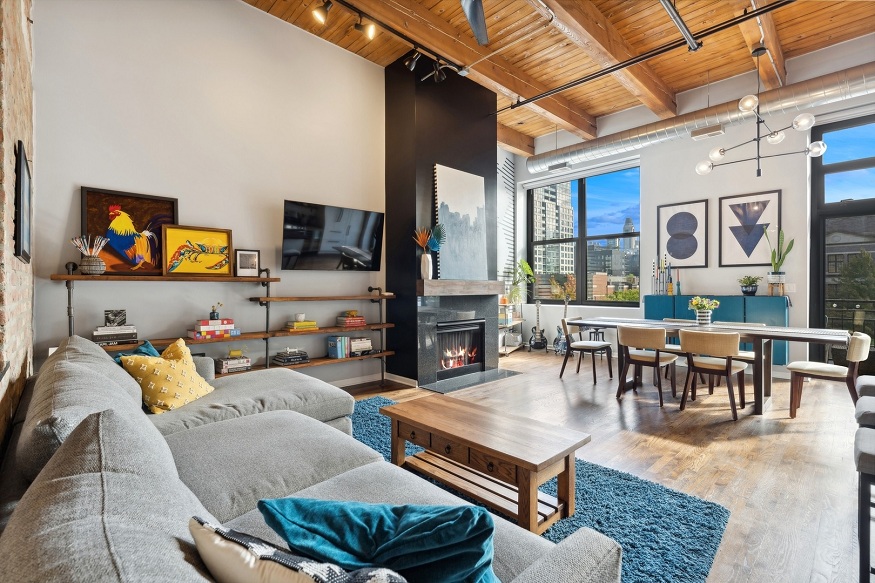
Lincoln Park is more than just a famous Chicago neighborhood; it is one of the city’s most resilient real estate markets. For buyers and investors, it offers a rare trifecta: direct access to Lake Michigan, historic architectural charm, and proximity to the city’s major commercial hubs.
Lincoln Park is a “blue chip” market. People don’t just buy here for quick returns; they buy for long-term equity stability and a lifestyle that few other urban enclaves can match. This guide examines the housing landscape, economic fundamentals, and neighborhood-specific trends to help you decide if Lincoln Park fits your investment goals.
Table of Contents
Housing Market Overview in Lincoln Park
The Lincoln Park market continues to be defined by low inventory and high competition. While some Chicago submarkets have seen cooling, Lincoln Park remains a seller’s market, with demand consistently outpacing supply.
Housing Market Snapshot:
- Ranking: #2 Neighborhood in Chicago
- Ranking: #53 Neighborhood in Illinois
- Homes for Sale: 2
- Rental Prices: $2,019 per month
- Median Home Price: $757,000
- Median Homeowner Costs: $3,953 per month
- Homeowner Vacancy Rate: 9.1%
- Home Ownership Rate: 45.1%
- Rental Vacancy Rate: 54.8%
- Family Households: 37.1%
- Median Year Built: 1971
Ownership patterns show whether a neighborhood leans more toward renting or long-term homeownership. Lincoln Park includes a mix of ownership and rental structures.
Historic buildings dominate the landscape, but many properties have undergone modern renovations. This balance attracts both long-term residents and short-term renters.
👉 Keep up with the latest trends in the Lincoln Park housing market on Houzeo, America’s best home buying and selling platform.
Types of Homes Available in Lincoln Park
In Lincoln Park, the property type you choose determines how much you’re going to have to shell out. Single-family homes are the rarest and most expensive, while condos offer the most variety.
- Condos/Co-ops: 58.2% (The primary entry point for buyers, ranging from $400K to $1.2M+).
- Single-Family Homes: 20.3% (Highly sought after, often ranging from $1.5M to $4M+).
- Multi-Family: 13.9% (Attracts investors looking for steady rental income near DePaul University).
- Townhouses: 6.3% (A middle-ground for families needing more space than a condo).
As the numbers show, condos are the most widely available home type, which is why they’re more affordable. Single-family homes are fewer, so they are harder to find and often cost more. Multi-family homes attract buyers who want rental income. Townhomes and land are limited, so choices are fewer.
Read More: Why Choose Your Next Property in Kurla East? The Locality’s Untapped Potential
👉 Explore 80+ homes for sale in Lincoln Park IL, on Houzeo, America’s best home-buying website. Search, save favorites, and submit offers, all in one place.
Who Lives in Lincoln Park?
Lincoln Park attracts a highly mobile and affluent demographic.
- Education: 86% of residents hold a postgraduate degree, ensuring a stable, high-earning workforce.
- Age: The median age is 31.3, fueled by DePaul University students and mid-career professionals.
- Household Size: 1.9 people on average, which sustains the massive demand for one- and two-bedroom condominiums.
Economic Strength and Local Employment
Lincoln Park benefits from Chicago’s diversified economy. Residents work across finance, healthcare, education, and technology sectors. Proximity to downtown reduces commute friction.
Economic Indicators:
- Median Household Income: $139,561
- Per Capita Income: $112,973
- Poverty Rate: 7.9%
- Unemployment Rate: 2.7%
- Labor Participation Rate: 76.7%
- SNAP Participation Rate: 3.6%
With high incomes and low unemployment, the neighborhood is less vulnerable to economic shifts than other parts of the city.
Crime Patterns and Community Safety
In 2025 and 2026, Chicago saw a significant drop in violent crime, and Lincoln Park remains one of the city’s safest urban neighborhoods.
Violent Crime
- Homicide: 2 (↓100%)
- Rape: 4 (↓100%)
- Robbery: 2 (0%)
- Aggravated Assault: 6 (↑14.3%)
- Kidnapping / Abduction: 0 (0%)
Property Crime
- Burglary: 5 (↑50%)
- Larceny-Theft: 85 (↑13.3%)
- Motor Vehicle Theft: 8 (↑50%)
- Arson: 0 (0%)
- Theft From Building: 0 (0%)
Categories like homicide and robbery have reached decade lows in the 18th and 19th districts serving the area. Additionally, like any high-activity urban zone, larceny-theft and motor vehicle theft occur. However, citywide arrest rates for these crimes have risen to nearly 18%, the highest since the pandemic.
Local authorities prioritize visibility in commercial corridors like Clark Street and Armitage Avenue to mitigate property theft.
What Makes Lincoln Park Unique?
Lincoln Park is a neighborhood that blends historic buildings, access to lakes, and a vibrant cultural scene, all within a relatively small urban area. Because of these features, it tends to attract strong interest from homebuyers.
• Lincoln Park Zoo and Major Urban Green Space
Lincoln Park is home to Lincoln Park Zoo, one of the few zoos in the United States that offers free admission. These green spaces provide residents with easy access to outdoor activities such as walks, bike rides, and time outdoors, all close to home without the need for long travel.
• Lake Michigan Waterfront Access
The neighborhood borders Lake Michigan and provides access to beaches, lakefront parks, and waterfront trails. The lakefront trail also connects Lincoln Park to several other Chicago neighborhoods. This access to waterfront recreation increases the area’s appeal for buyers who value outdoor activities.
• Historic Architecture and Brownstone Streets
Lincoln Park has many historic homes, including classic Chicago brownstones and updated row houses. Some of these homes were built in the late 1800s and early 1900s. People who like homes with unique design and history often look for neighborhoods like this, where older buildings are still well-maintained.
Read More: 5 Bollywood Celebrities Who Have a Vacation Home in Alibaug
• Presence of DePaul University
Lincoln Park is home to the main campus of DePaul University, a well-known private university in Chicago. Because of the university, many students, teachers, and staff live in or visit the area. This helps keep housing demand steady, as both renters and long-term residents look for homes in the neighborhood.
• Walkable Retail and Dining Corridors
Lincoln Park has several streets where people can easily walk to restaurants, cafes, and local shops. Places like Armitage Avenue and Clark Street are popular with both residents and visitors.
👉 Moving to Lincoln Park? Get the breakdown on housing costs, utility providers, and must-know community insights in Houzeo’s in-depth Lincoln Park Chicago, neighborhood guide.
Potential Drawbacks Buyers Should Consider
No neighborhood is perfect. Buyers in Lincoln Park should consider:
- Price Premium: You are paying for the name and location. Property taxes and HOA fees for historic buildings can be high.
- Density: Parking is difficult, and the area can get extremely crowded during summer zoo events or festivals.
- Maintenance: Historic brownstones require significant upkeep and must often follow strict zoning/preservation rules.
The Bottomline
Lincoln Park is a “safe bet” for long-term equity. Whether you are buying a historic brownstone or a condo, the neighborhood’s low vacancy, high income, and unmatched amenities make it a standout choice. Evaluate your budget against the $757K median price, and be ready to act fast: the best properties here don’t wait.